
There are 8 ways to get from Munich to Large Hadron Collider by plane, tram, train, bus, or car
Select an option below to see step-by-step directions and to compare ticket prices and travel times in Rome2Rio's travel planner.
Fly Munich International Airport to Geneva International Airport, line 18 tram
best- Fly from Munich International Airport (MUC) to Geneva International Airport (GVA)plane MUC - GVA
- Take the tram from Vernier, Blandonnet to Meyrin, CERNtram
4h 26m€129–315Bus
cheapest- Take the bus from Munich central bus station to Genevabus FlixBus 106 / ...
11h 16m€46–97Train via Zurich
- Take the train from München Hbf to St. Margrethen SGtrain 88
- Take the train from St. Margrethen SG to Zürich HBtrain Ec
- Take the train from Zürich HB to Genèvetrain Ic1 / ...
8h 39m€172–286Bus via Munich Airport Terminal 2
- Take the bus from Munich Airport Terminal 2 to Geneva Bus Stationbus : Lyon - Prague Central Bus Station / ...
11h 3m€49–109Drive 574.4 km
- Drive from Munich to Large Hadron Collidercar 574.4 km
5h 55m€92–133Train, train to Zurich Airport, fly to Geneva International Airport
- Take the train from München Hbf to St. Margrethen SGtrain
- Take the train from St. Margrethen SG to Zürich Flughafentrain
- Fly from Zurich Airport (ZRH) to Geneva International Airport (GVA)plane ZRH - GVA
6h 24m€171–492Fly Munich International Airport to Basel, train
- Fly from Munich International Airport (MUC) to Basel (BSL)plane MUC - BSL
- Take the train from Basel SBB to Renens VDtrain
- Take the train from Renens VD to Genèvetrain
7h 16m€198–497Train
- Take the train from München Hbf to Lindau, Reutin Bahnhoftrain Re96
- Take the train from St. Gallen to Genèvetrain Ic1 / ...
9h 47m€169–349
Munich to Large Hadron Collider by train, tram, and foot
Comparing Your Travel Options
The cheapest way to get from Munich to Large Hadron Collider is to bus via Munich Airport Terminal 2 which costs €45 - €110 and takes 11h 3m.
The fastest way to get from Munich to Large Hadron Collider is to fly and line 18 tram which takes 4h 26m and costs €120 - €320.
No, there is no direct bus from Munich to Large Hadron Collider station. However, there are services departing from Munich Airport Terminal 2 and arriving at Geneva Bus Station via . The journey, including transfers, takes approximately 11h 3m.
No, there is no direct train from Munich to Large Hadron Collider. However, there are services departing from München Hbf and arriving at Meyrin, CERN via St. Margrethen SG, Zürich HB and Genève, gare Cornavin. The journey, including transfers, takes approximately 8h 39m.
The distance between Munich and Large Hadron Collider is 530 km. The road distance is 574.4 km.
The best way to get from Munich to Large Hadron Collider without a car is to train via Zurich which takes 8h 39m and costs €170 - €290.
It takes approximately 4h 26m to get from Munich to Large Hadron Collider, including transfers.
Munich to Large Hadron Collider bus services, operated by RegioJet, depart from Munich Airport Terminal 2 station.
Munich to Large Hadron Collider train services, operated by Deutsche Bahn Intercity (DB IC), depart from München Hbf station.
The best way to get from Munich to Large Hadron Collider is to train via Zurich which takes 8h 39m and costs €170 - €290. Alternatively, you can bus via Munich Airport Terminal 2, which costs €45 - €110 and takes 11h 3m.
What companies run services between Munich, Germany and Large Hadron Collider, France?
You can take a train from München Hbf to Large Hadron Collider via St. Margrethen SG, Zürich HB, Genève, Genève, gare Cornavin, and Meyrin, CERN in around 8h 39m. Alternatively, RegioJet operates a bus from Munich Airport Terminal 2 to Geneva Bus Station twice a week. Tickets cost €35–65 and the journey takes 8h 30m.
- Website
- swiss.com
Flights from Munich International Airport to Geneva International Airport
- Ave. Duration
- 1h 15m
- When
- Every day
- Estimated price
- €100–450
Flights from Munich International Airport to Geneva International Airport via Zurich Airport
- Ave. Duration
- 3h 3m
- When
- Every day
- Estimated price
- €100–250
Flights from Zurich Airport to Geneva International Airport
- Ave. Duration
- 55 min
- When
- Every day
- Estimated price
- €130–380
Flights from Munich International Airport to Basel
- Ave. Duration
- 55 min
- When
- Every day
- Estimated price
- €90–340
- Website
- lufthansa.com
Flights from Munich International Airport to Geneva International Airport
- Ave. Duration
- 1h 15m
- When
- Every day
- Estimated price
- €100–450
Flights from Munich International Airport to Geneva International Airport via Frankfurt
- Ave. Duration
- 3h 15m
- When
- Every day
- Estimated price
- €100–550
Flights from Munich International Airport to Basel
- Ave. Duration
- 55 min
- When
- Every day
- Estimated price
- €90–450
- Website
- airdolomiti.it
Flights from Munich International Airport to Geneva International Airport
- Ave. Duration
- 1h 15m
- When
- Tuesday, Sunday, and Saturday
- Estimated price
- €150–450
Flights from Munich International Airport to Basel
- Ave. Duration
- 55 min
- When
- Monday, Wednesday, Friday, and Sunday
- Estimated price
- €150–450
- Phone
- +41 22 308 33 11
- Website
- tpg.ch
Tram from Vernier, Blandonnet to Meyrin, CERN
- Ave. Duration
- 9 min
- Frequency
- Every 15 minutes
- Estimated price
- €7–17
- Schedules at
- tpg.ch
- Day Pass 2nd Class
- €7–10
- Day Pass 1st Class
- €12–17


- Phone
- +49 30 2970
- Website
- Deutsche Bahn Intercity (DB IC)
Train from München Hbf to St. Margrethen SG
- Ave. Duration
- 2h 21m
- Frequency
- Twice a week
- Estimated price
- €35–85
- Website
- Deutsche Bahn Intercity (DB IC)
Train from München Hbf to St. Margrethen SG
- Ave. Duration
- 2h 21m
- Frequency
- Twice a week
- Estimated price
- €35–85
- Website
- Deutsche Bahn Intercity (DB IC)
Train from München Hbf to Lindau, Reutin Bahnhof
- Ave. Duration
- 2h 18m
- Frequency
- 5 times a day
- Estimated price
- €35–75
- Website
- Deutsche Bahn Intercity (DB IC)

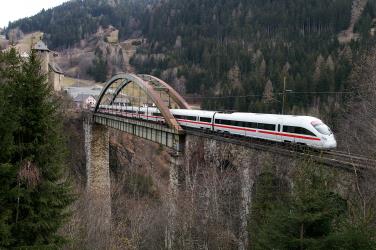
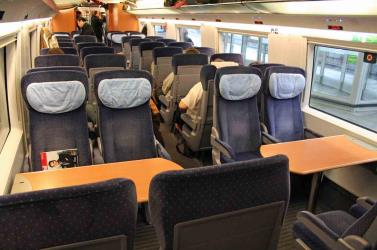
#/media/File:ICE_4_Berlin_Hauptbahnhof_(3).jpg "ICE 4 Berlin Hauptbahnhof")

Train from St. Margrethen SG to Zürich HB
- Ave. Duration
- 1h 39m
- Frequency
- Hourly
- Estimated price
- €35–55
- Website
- Swiss Federal Railways (SBB CFF FFS)
Train from Zürich HB to Genève
- Ave. Duration
- 2h 53m
- Frequency
- Hourly
- Estimated price
- €90–130
- Website
- Swiss Federal Railways (SBB CFF FFS)
Train from St. Margrethen SG to Zürich Flughafen
- Ave. Duration
- 1h 24m
- Frequency
- Hourly
- Estimated price
- €35–50
- Website
- Swiss Federal Railways (SBB CFF FFS)
Train from Basel SBB to Renens VD
- Ave. Duration
- 2h 16m
- Frequency
- Hourly
- Estimated price
- €55–85
- Website
- Swiss Federal Railways (SBB CFF FFS)
Train from Renens VD to Genève
- Ave. Duration
- 45 min
- Frequency
- Every 15 minutes
- Estimated price
- €19–27
- Website
- Swiss Federal Railways (SBB CFF FFS)
Train from St. Gallen to Genève
- Ave. Duration
- 4h 18m
- Frequency
- Hourly
- Estimated price
- €120–180
- Website
- Swiss Federal Railways (SBB CFF FFS)
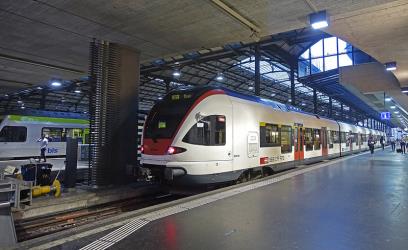
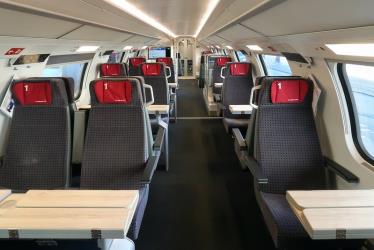
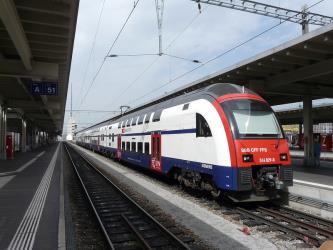
- Phone
- +49 (0) 7531 915109
- info@sbb-deutschland.de
- Website
- SBB GmbH
Train from St. Margrethen SG to Zürich Flughafen
- Ave. Duration
- 1h 7m
- Frequency
- Every 3 hours
- Estimated price
- €9–13
- Schedules at
- SBB GmbH
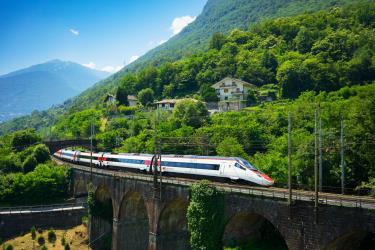
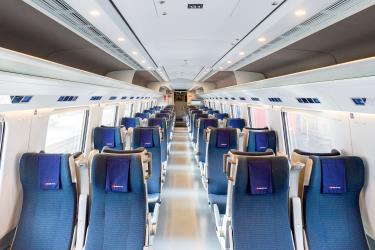
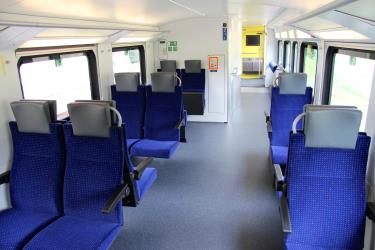
- Phone
- +43 (0) 5 1717
- Website
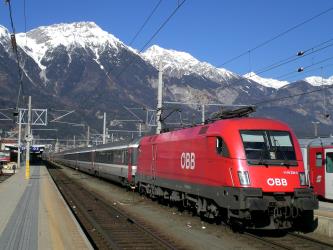
- ÖBB EuroCity
Train from St. Margrethen SG to Zürich Flughafen
- Ave. Duration
- 1h 7m
- Frequency
- 6 times a week
- Estimated price
- €23–27
- Website
- ÖBB EuroCity
- Website
- ÖBB EuroCity
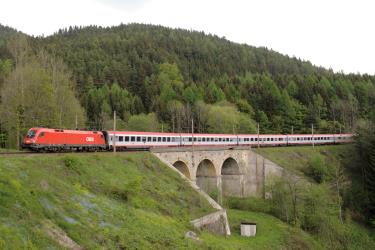
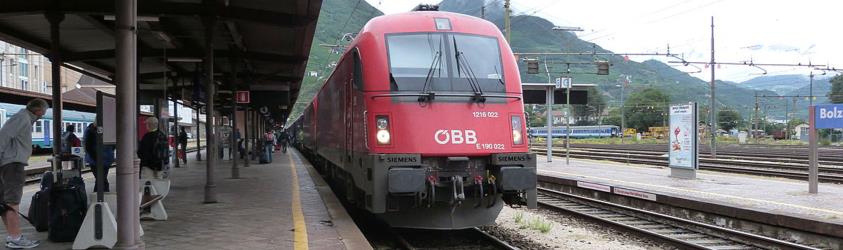
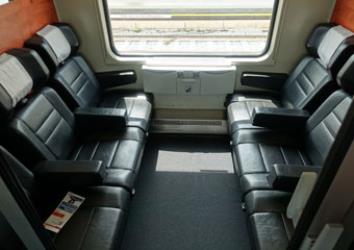
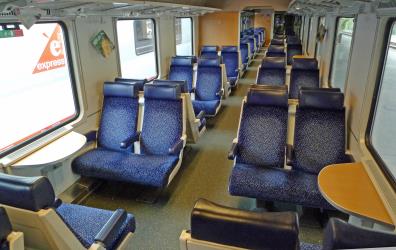
- Phone
- +39 06 68475475
- ufficiogruppi@trenitalia.it
- Website
- Trenitalia Eurocity
Train from Renens VD to Genève
- Ave. Duration
- 44 min
- Frequency
- Once daily
- Estimated price
- €8–14
- Website
- Trenitalia Eurocity
- 1st Class
- €8–12
- 2nd Class
- €10–14
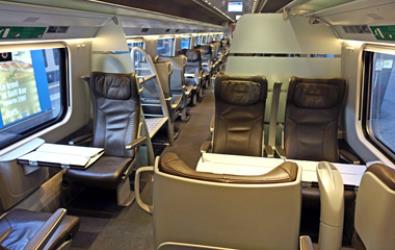
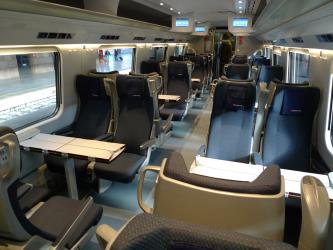
- Phone
- +49 821 899 825 44
- servus@arverio.de
- Website
- Arverio Bayern GmbH
Train from München Hbf to Lindau, Reutin Bahnhof
- Ave. Duration
- 2h 50m
- Frequency
- Every 4 hours
- Schedules at
- Arverio Bayern GmbH
- Phone
- +49 30 2970
- Website
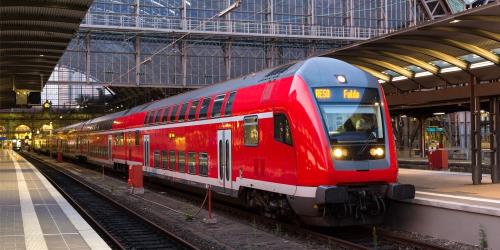
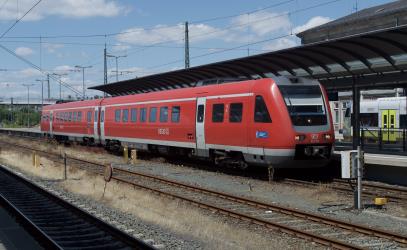
- Deutsche Bahn Regio (DB Regional)
Train from München Hbf to Lindau, Reutin Bahnhof
- Ave. Duration
- 3h 2m
- Frequency
- Every 3 hours
- Estimated price
- €30–130
- Website
- Deutsche Bahn Regio (DB Regional)
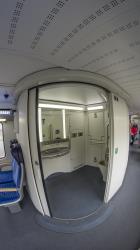
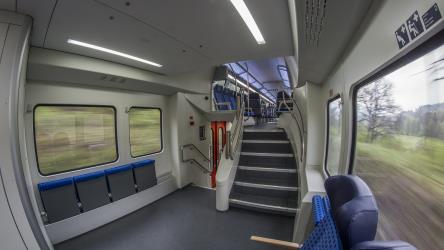
- Phone
- +420 222 222 221
- info@regiojet.com
- Website
- RegioJet
Bus from Munich Airport Terminal 2 to Geneva Bus Station
- Ave. Duration
- 8h 30m
- Frequency
- Twice a week
- Estimated price
- €35–65
- Website
- RegioJet
Bus from Munich central bus station to Geneva
- Ave. Duration
- 7h 45m
- Frequency
- Twice a week
- Estimated price
- €35–60
- Website
- RegioJet
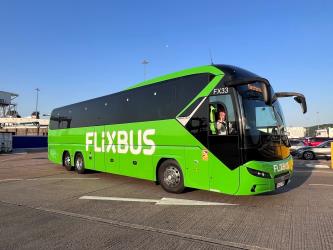
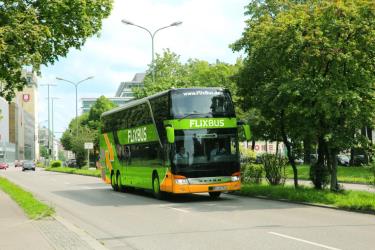
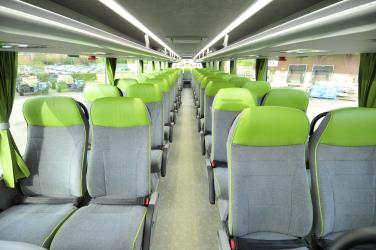
Rome2Rio's guide to FlixBus
Contact DetailsContact Details
- Phone
- +49 30 300 137 300
- service@flixbus.com
- Website
- Flixbus
Bus from Munich central bus station to Geneva
- Ave. Duration
- 10h 10m
- Frequency
- 3 times a day
- Estimated price
- €50–80
- Website
- Flixbus
Want to know more about travelling around France
Rome2Rio's Travel Guide series provide vital information for the global traveller. Filled with useful and timely travel information, the guides answer all the hard questions - such as 'How do I buy a ticket?', 'Should I book online before I travel? ', 'How much should I expect to pay?', 'Do the trains and buses have Wifi?' - to help you get the most out of your next trip.
Related travel guides
5 delightfully under-the-radar French towns you need to visit
Read the travel guide
Heading to Europe? Read this before you buy a Eurail Pass
Read the travel guide
Want to know more about Flixbus?
Read the travel guide
Booking & Getting There
Munich to Large Hadron Collider bus services, operated by RegioJet, arrive at Geneva Bus Station.
Munich to Large Hadron Collider train services, operated by Deutsche Bahn Intercity (DB IC), arrive at St. Margrethen SG station.
Yes, the driving distance between Munich to Large Hadron Collider is 574 km. It takes approximately 5h 55m to drive from Munich to Large Hadron Collider.
There are 1213+ hotels available in Large Hadron Collider.