
There are 3 ways to get from Manila to International Rice Research Institute by bus, car, or taxi
Select an option below to see step-by-step directions and to compare ticket prices and travel times in Rome2Rio's travel planner.
Bus
best- Take the bus from PITX Paranaque Integrated Terminal Exchange to Turbinabus Paranaque
1h 52m₱403–486Drive 68.3 km
- Drive from Manila to International Rice Research Institutecar 68.3 km
57 min₱564–814Taxi
- Take the taxi from Manila to International Rice Research Institutetaxi 68.3 km
57 min₱1,000–1,300
Comparing Your Travel Options
The cheapest way to get from Manila to International Rice Research Institute is to bus which costs ₱400 - ₱490 and takes 1h 52m.
The fastest way to get from Manila to International Rice Research Institute is to drive which takes 57 min and costs ₱550 - ₱850.
No, there is no direct bus from Manila to International Rice Research Institute. However, there are services departing from PITX Paranaque Integrated Terminal Exchange and arriving at Turbina via . The journey, including transfers, takes approximately 1h 52m.
The distance between Manila and International Rice Research Institute is 61 km. The road distance is 68.3 km.
The best way to get from Manila to International Rice Research Institute without a car is to bus which takes 1h 52m and costs ₱400 - ₱490.
It takes approximately 1h 52m to get from Manila to International Rice Research Institute, including transfers.
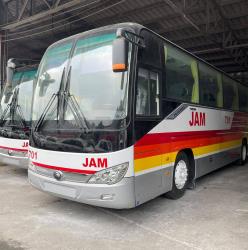
Manila to International Rice Research Institute bus services, operated by Jam, depart from PITX Paranaque Integrated Terminal Exchange station.
Manila to International Rice Research Institute bus services, operated by Jam, arrive at Turbina station.
Yes, the driving distance between Manila to International Rice Research Institute is 68 km. It takes approximately 57 min to drive from Manila to International Rice Research Institute.
There are 409+ hotels available in International Rice Research Institute.
What companies run services between Manila, Philippines and International Rice Research Institute, Philippines?
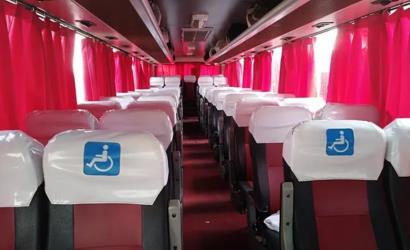
Jam operates a bus from PITX Paranaque Integrated Terminal Exchange to Turbina hourly. Tickets cost ₱110–140 and the journey takes 1h 36m.
- Phone
- +63 917 852 6637
- info@jambusliner.com
- Website
- facebook.com
Bus from PITX Paranaque Integrated Terminal Exchange to Turbina
- Ave. Duration
- 1h 36m
- Frequency
- Hourly
- Estimated price
- ₱110–140
- Schedules at
- jamlinerbus.com
- Ave. Duration
- 57 min
- Estimated price
- ₱1,000–1,300
Basic Taxi
- Phone
- +63 2 352 7777
- Website
- facebook.com
Dollar Taxi
Grab Taxi
- Website
- grab.com
Green GSM
- Phone
- +63 2 7777 8080
- Website
- greengsm.ph
MGE Taxi
R&E Taxi
- Phone
- +63 2 3529089
- Website
- web.facebook.com
Want to know more about travelling around Philippines
Rome2Rio's Travel Guide series provide vital information for the global traveller. Filled with useful and timely travel information, the guides answer all the hard questions - such as 'How do I buy a ticket?', 'Should I book online before I travel? ', 'How much should I expect to pay?', 'Do the trains and buses have Wifi?' - to help you get the most out of your next trip.
Related travel guides
4 stunningly beautiful Philippines islands you need to visit
Read the travel guide